Doesn't my auto policy cover what's in the truck?
Usually not. Auto liability is aimed at other people's losses and physical damage at the truck, so the load typically needs its own cargo coverage.

Coverage for the load: the pallets, kegs, cabinets and building supplies your trucks deliver to other businesses. What a cargo form typically covers and excludes, and how to set limits that match what's actually in the box.
Quick answer
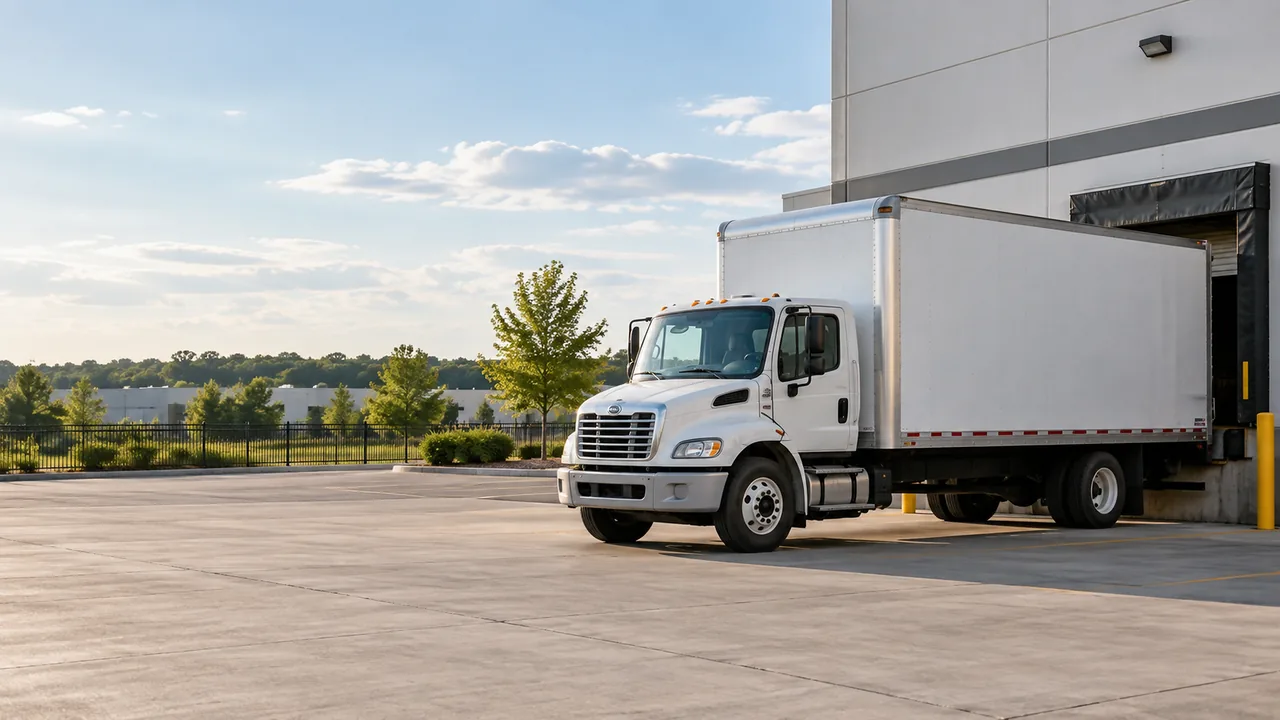
Motor truck cargo insurance generally pays for goods on your truck that are lost or damaged in transit, whether from a crash, fire, theft or a load that shifts. For California distributors and suppliers delivering business to business, it can close a gap the auto policy leaves open, because auto liability and physical damage usually don't pay for the load. Limits are typically set per vehicle and per occurrence and matched to the most valuable load you carry.
Commercial Auto + Fleet Insurance
CaliforniaUp to 50 VehiclesWe’re here to help.
Cargo coverage generally follows the goods, not the truck. It's a separate coverage written alongside your business auto policy, and it typically pays when what you're hauling is damaged or lost between your dock and your customer's: a box truck rear-ended with pallets of restaurant supplies inside, a flatbed fire that takes a load of lumber with it, a stack of tile that breaks when the driver brakes hard. The auto coverages it sits beside are listed on our California commercial auto insurance page.
Forms come in two broad shapes. An owner's form generally covers goods your business owns while they're in transit, which suits a distributor whose products stay its property until the customer signs for them. A legal liability form typically covers goods that belong to someone else when you're legally responsible for them, which suits a supplier delivering customers' orders as part of its own business. Many distributors need some of each, so tell us whose goods are on the truck and when ownership changes hands.
We write cargo for businesses delivering their own products and orders business to business. This isn't a for-hire trucking program, and home or last-mile delivery isn't something we place. Box trucks and flatbeds do most of this work; see box truck insurance in California and stake bed truck insurance.
| Typically pays for | Often doesn't pay for, or only with conditions |
|---|---|
| Goods damaged in a collision or overturn | Theft from an unattended truck, unless it was locked and the form's security conditions were met |
| Loss by fire, flood or lightning while in transit | Spoilage from a temperature change, unless you add refrigeration breakdown coverage |
| Theft of the entire loaded truck | Leakage, breakage from poor packing and gradual deterioration |
| Goods damaged when a load shifts or falls | Commodities a form restricts or excludes, which often include alcohol, electronics, tobacco and cash |
| Debris removal and some costs to protect goods after a loss, on many forms | Goods sitting in your warehouse, which is a property question |
Read the form's definition of when transit starts and ends. Some forms cover goods from the moment they're loaded until they're unloaded at the customer; others exclude time spent parked overnight or at a terminal unless it's listed. Loading and unloading itself is covered on some forms and excluded on others.
Cargo limits are usually separate from your auto liability limit, which on our quotes starts at a $1 million combined single limit, with $300,000, $500,000 and $750,000 as lower options. A cargo limit is typically sized to the goods: a per-vehicle limit set at the value of the most valuable load any single truck carries and a per-occurrence limit for one event that hits more than one truck.
Underestimating is a common mistake. A distributor that sets its limit on an average load may find that its Friday restock run, or a December delivery, carries far more. Many cargo forms also have a deductible per loss and conditions about how goods are packed, secured and documented; bills of lading or delivery tickets showing what was on the truck can make a claim much easier to settle.
If you're deciding between vans and box trucks for deliveries, see insuring a van compared with a box truck.
Route trucks carrying restaurant supplies, plumbing parts or electrical gear to contractors and businesses are the core case. One box truck may carry dozens of customers' orders at once, some already billed and some not; see wholesale distributor truck insurance.
Kegs and barrels going to bars, restaurants and distributors raise two cargo questions: breakage, and spoilage in a refrigerated box truck if the cooling unit fails, which usually needs refrigeration breakdown coverage. Alcohol is a restricted commodity on some forms, so declare it. Liquor liability for what customers serve generally isn't auto or cargo coverage; see brewery commercial auto insurance.
Finished cabinets are high-value, easy to scratch and delivered in box trucks to builders' job sites. Damage from a shifting load is typically a cargo claim; damage during installation usually isn't. See cabinet shop delivery truck insurance.
Flooring installers and drywall contractors usually carry their own materials to jobs. Whether that belongs on a cargo form or an installation floater depends on who owns the material and when; see flooring contractor commercial auto insurance.
Cargo insurance in Los Angeles is often a conversation about theft. NICB's 2025 figures put the Los Angeles–Long Beach–Anaheim area first in the country for vehicle thefts by volume, at 53,911, and a stolen box truck takes its load with it.
Cargo forms usually tie theft coverage to conditions: the truck locked with keys removed, an alarm or immobilizer and sometimes parking in a fenced yard overnight. A loaded truck left running at a curb while the driver makes a delivery is the scenario those conditions are written for. Ask what your form requires and make sure drivers know it.
Distributors in the basin can read more on Los Angeles County fleet insurance, and our guide to how dashcams and telematics can help protect a fleet covers GPS tracking and cameras.
Official sources
Usually not. Auto liability is aimed at other people's losses and physical damage at the truck, so the load typically needs its own cargo coverage.
Cargo values can swing with the season and the route. Size the per-vehicle limit to the most valuable load a truck carries, not the typical one.
Cargo theft claims often turn on the form's conditions: an unlocked truck, keys in the ignition, no alarm. Train drivers on what the form requires.
Spoilage from a failed cooling unit is usually excluded unless refrigeration breakdown coverage is added. Breweries and food distributors should ask.
Timing depends on the carriers and your loss history.
Have ready: vehicle list with VINs, driver list, current declarations page, loss runs.
Next Level Experience. Insurance Done Right.
Fleet quotes for California businesses running up to 50 trucks and vans.