Cargo vanGVWR
- Weight
- Up to 10,000 lbs typical
- CDL
- No
- Trades
- HVAC, alarm, painting, flooring

Commercial auto for breweries, wineries, cideries and other beverage producers delivering their own kegs, cases and barrels to bars, restaurants, retailers and distributors. From a single keg van to a full route fleet, with quotes from top-rated national carriers.
Quick answer
A brewery that delivers its own beer usually needs a commercial auto policy for its keg vans, box trucks and pickups, plus cargo coverage when refrigerated loads are at stake. We write business-to-business delivery to bars, restaurants, retailers and distributors, not home delivery to consumers. Staff who deliver in their own cars are where hired and non-owned coverage typically comes in.
Commercial Auto + Fleet Insurance
CaliforniaUp to 50 VehiclesWe’re here to help.
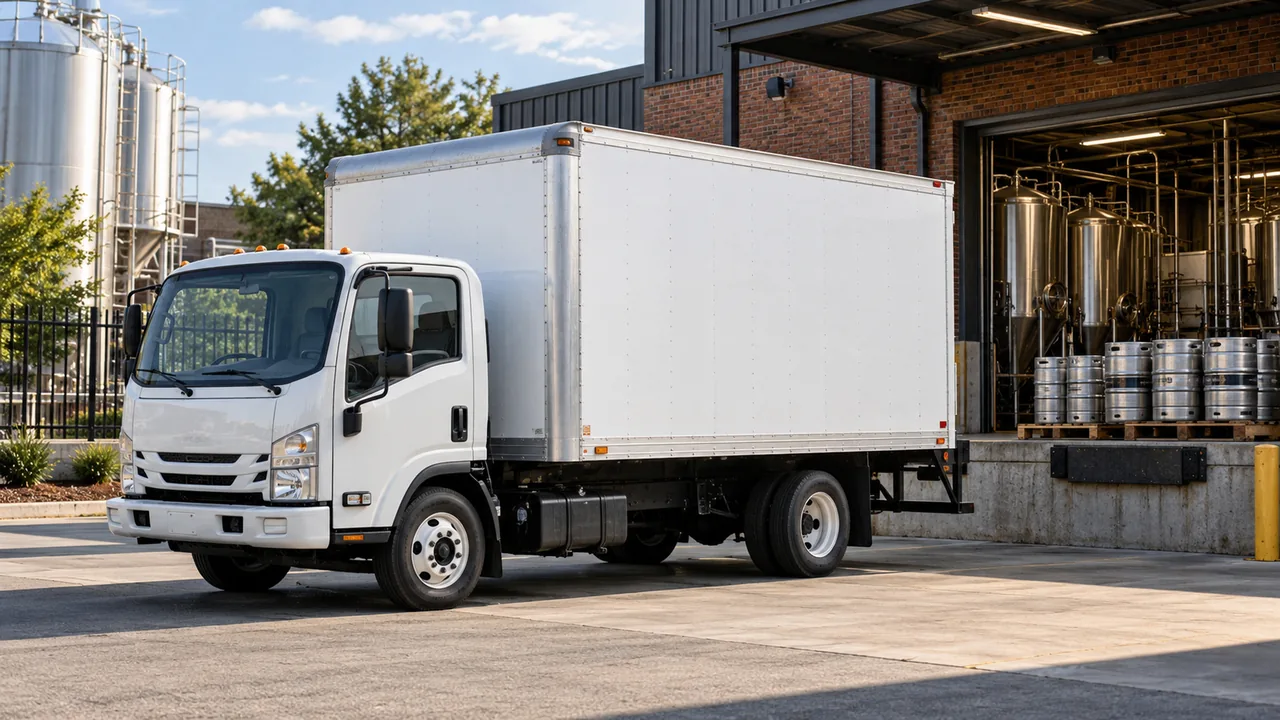
Most self-distributing breweries start with a cargo van, often a high-roof model fitted with keg racks or E-track straps, plus a pickup for collecting malt and hops from suppliers and hauling spent grain out to a farm. As accounts grow, a box truck takes over the main route, usually with a liftgate and sometimes with a refrigeration unit to keep unpasteurized beer cold from the brewery cooler to the account's walk-in. That reefer carries paperwork of its own: CARB's transport refrigeration unit rule generally has owners report each unit that operates in California and keep it compliant. Cargo van insurance covers the vans most brewery routes start with.
A delivery day runs in a loop: full kegs and cases out in the morning to bars, restaurants, bottle shops and grocery accounts, empties collected on the same stops and sometimes a pallet run to a distributor's warehouse. Wineries and cideries carry barrels and cases to tasting rooms and retailers, and some producers tow a draft trailer or mobile bar to festivals and venue events. At harvest, a winery may add a stake bed or flatbed hauling bins from its own vineyard blocks, and a cidery may run a pickup and trailer to the orchard for fruit.
Drivers are often brewery staff rather than career drivers: a brewer covering the route on slow production days, a sales rep making deliveries between account calls, a taproom manager running kegs to an event. That's normal in the trade, and it's usually one of the first things an underwriter asks about. Seasonal releases and holiday orders can stack up deliveries for a few weeks, and the extra runs tend to go to whoever is free. When the route outgrows the van, insurance for business box trucks is the next page to read.
Official sources
Full kegs are heavy, and a van loaded with them brakes and corners nothing like an empty one. Unsecured kegs slide under hard braking and can push through a partition in a crash, so many carriers ask how loads are racked and strapped. The liability claims on brewery routes tend to come from city driving: tight loading zones, double-parking outside a bar, backing into an alley behind a restaurant. For a brewery route, the first liability figure we quote is a $1 million combined single limit, a common ask from restaurant groups and event organizers.
Refrigerated trucks raise a question auto policies usually don't answer: What happens to the beer if the reefer unit quits on a hot afternoon or the truck sits disabled after a crash? The beer is generally treated as cargo, and spoilage from a refrigeration breakdown is usually added to a cargo form by endorsement rather than included as a standard term. How a form treats beer you still own versus beer a distributor has already bought is worth checking too; truck cargo coverage in California explains the basics.
Sales reps who drive their own cars to accounts, and taproom staff who run a keg across town in a personal pickup, are using non-owned vehicles on brewery business. Hired and non-owned auto insurance can protect the brewery if one of those trips turns into a claim.
Restaurant groups, grocery chains, stadium concessionaires and festival organizers often write auto requirements into their vendor and event agreements, and $1 million combined single limit is the figure they usually name. Smaller accounts may never ask, and a brewery with one van can choose $300,000, $500,000 or $750,000 when no contract requires more. Event organizers often want to be named as additional insured on the auto policy for the day, which we request from the carrier by endorsement. Distributors that buy from you may set their own vendor terms for trucks delivering to their warehouse dock, including proof of auto coverage before your driver can unload.
Keg vans and box trucks under 26,001 lbs GVWR can generally be driven without a commercial license, which suits a crew of brewers and sales reps. Whether a heavier truck brings a Motor Carrier Permit into play depends on its weight and use; California Motor Carrier Permit insurance filing explains it, and the carrier usually files with the DMV after binding.
Licensing to sell and deliver alcohol is a separate matter from insurance, handled with the state's alcohol regulator, and we don't advise on it. For orientation only: ABC's license types include a beer manufacturer license for breweries (Type 01, or Type 23 for smaller breweries) and a Type 02 winegrower license for wineries, and the Business and Professions Code generally allows a licensed beer manufacturer to sell its beer to businesses licensed to sell beer, the usual footing for a brewery's own routes to bars and restaurants. What we need is a clear picture of where the trucks go and who drives them. Keep the certificate list current as accounts change, since bar and restaurant groups often ask again whenever their own insurance renews.
Official sources
The alcohol question is often the one owners don't expect. A written policy (no drinking before or during a delivery shift, no samples consumed on the route and consequences that are actually enforced) answers it directly. Our fleet safety guide covers the rest of what a carrier tends to credit, from MVR reviews to in-cab cameras.
Expect questions about the vans themselves, too: who maintains the keg racks and straps, whether liftgates are serviced on a schedule and how refrigeration units are checked before a hot day. A brewery that logs those checks next to its brewing records has an easy answer. Many carriers also ask where vans sit after hours, since a van parked behind a taproom that stays open late can be exposed to theft and to staff borrowing it.
A brewery with one van usually gets quoted as an ordinary small business auto account. The main questions tend to be who drives it, whether it goes home with anyone overnight and what it carries on a busy weekend. Business auto insurance for 1 to 4 vehicles describes how carriers see that stage.
Five to ten units usually means a production brewery with its own routes or a group running several taprooms that shuttle kegs between locations. Most carriers treat that as a fleet and look for consistent driver standards across sites, especially when taproom staff at each location can take a van. Beverage producers in the 11–50 range, including regional breweries and larger wineries, add box trucks and refrigerated units, and their cargo values and garaging spread across several sites tend to shape the quote. A small fleet policy is where most growing breweries land first.
Growth in this trade tends to arrive with a new location. A second taproom usually brings a van with it, and the van often shows up before anyone calls the broker; add it before its first keg run. A second production site splits garaging between two cities, so list each van where it sleeps. Producers with a sales team often find more of their exposure in reps' personal cars than in the vans, so count those drivers when you think about non-owned coverage.
Beer festivals, farmers markets and events at commercial venues take brewery vehicles off their usual routes. A pickup towing a draft trailer or mobile bar to an event across the state is a different trip from a Tuesday keg run: unfamiliar roads, a trailer the driver may tow only a few times a year and long days that end with a drive home.
Schedule draft trailers and mobile bars on the auto policy with their values and list the drivers who tow them. Send the organizer's insurance requirements as soon as you're accepted, since many festivals want certificates well before the event. Staff who worked the pour all day shouldn't be the ones driving home. Insurance for work trailers explains how draft trailers and mobile bars are listed, and our commercial auto overview covers the rest of the policy.
Summer can put a van or trailer on the road to festivals outside your usual region several weekends running. Rotating drivers, planning a stop on long drives and checking trailer tires, lights and the hitch before each trip help keep those weekends off the loss runs. A draft trailer left overnight at a festival site or hotel lot should be locked and unhitched with a wheel lock where possible.
Typically not, since auto is aimed at the truck. Spoilage from a refrigeration breakdown is a cargo question, usually added by endorsement, so ask whether the cargo form you carry includes it.
A rep dropping kegs at accounts in a personal car is generally driving for the brewery. Without hired and non-owned coverage, the brewery may face that crash with no policy of its own behind it.
Many underwriters ask breweries about staff drinking and driving. A written, enforced rule is usually a stronger answer than a verbal one.
Secured kegs are far less likely to shift in a hard stop. That helps protect the driver and the van when something goes wrong ahead, and it keeps kegs from rolling out when the doors open on a slope.
Box trucks and flatbeds delivering to other businesses.
Commercial auto for wholesale distributorsTiming depends on the carriers and your loss history.
Have ready: vehicle list with VINs, driver list, current declarations page, loss runs.
Next Level Experience. Insurance Done Right.
Fleet quotes for California businesses running up to 50 trucks and vans.